Relocating within the Tri-State area brings a set of challenges that rarely show up on a simple checklist. The Ohio River can divide planning windows, county ordinances can complicate access, and a ten-mile hop across a state line can change insurance or valuation rules. On some days, moisture-heavy air makes furniture pads feel like wet towels by noon. On others, an unexpected ramp closure on the Brent Spence Bridge reroutes trucks through unfamiliar surface streets. None of this is a crisis if you plan for it at the street level and schedule like a logistics crew, not just a pair of movers with a truck.
This is the niche where disciplined process meets local memory. The Greater Cincinnati, Northern Kentucky, and Southeast Indiana triangle is connected by bridges, habit, and weekend sports schedules. It is also segmented by traffic patterns around I‑75 movers Middletown Ohio movewithmanifest.com and I‑71, steep hills in Covington and Bellevue, HOA restrictions in Butler and Warren County subdivisions, and small-town courthouse squares in Indiana that were never designed for a 26‑foot box truck. Specialized service here is not a menu item, it is a blend of routing, packing, timing, and risk management tuned to this exact map.
The geography behind a smooth Tri-State move
Think of the Tri-State as a series of short corridors with personalities. Moves between Middletown and Cincinnati behave differently than hops from West Chester to Mason, or from Hamilton to Lawrenceburg. The type of streets you encounter, the availability of loading zones, and the likelihood of construction detours all shift with the corridor.
For example, corridor moves that track the Interstate 75 spine benefit from early load-outs to beat morning merges near the I‑275 interchange. Those crossing into Northern Kentucky need eyes on bridge conditions and game days. Anyone who has loaded near Clifton on a Saturday during a home football weekend knows how quickly a simple exit can become a 45‑minute loop. Efficiency depends on anticipating these patterns rather than reacting to them at the last minute.
The weather window can matter as much as the route. Humidity drives how tape adheres to corrugate. Rain in the Ohio Valley tends to show up in cells with abrupt starts and stops, not gentle all-day events, which changes how you deploy floor protection and staging. Cold snaps create brittle plastic and stiffer straps. Planning by zip code is not enough. Planning by microclimate and time of day pays off.
Why Tri-State moves call for specialized handling
Crossing state lines changes paperwork and sometimes access expectations for buildings. Kentucky properties, especially older multifamily buildings on hillsides, often provide tighter egress. Indiana townships may require permits for occupying the square or coning off a lane. Subdivisions in Butler and Warren Counties can have strict rules on truck placement, curb contact, and hours. The same family heirloom that cleared a wide ranch-style door in Middletown may demand a balcony pivot in Newport, even though the address is only twenty miles away.
Equipment selection shifts with the terrain. Low-profile dollies matter on uneven brick sidewalks in Covington, while curb ramps and long runners make sense for newer developments outside Mason where garages sit a full step below the main entry. Suspended staircases near Hyde Park ask for extra staging to avoid torsion on banister connections. You do not solve these with brute force, you solve them with pre-measurement, custom padding, and realistic manpower ratios.
Manifest Moving on corridor planning and timing
Experienced crews learn to think in windows rather than fixed ETAs. A good plan for the I‑75 corridor sets a first crew arrival between 7:30 and 8:00 a.m. on weekdays to avoid the heaviest inbound flow into Cincinnati. For midday transfers between Cincinnati and Dayton, staging a second vehicle near the split helps when a job needs an extra hour of padding or an additional ramp. Day-of communication matters. Quick texts sharing lot access changes or an HOA’s unexpected lawn care schedule save time and friction.
In practice, a three-bedroom West Chester to Fort Thomas move runs best with a hard push to complete loading by late morning, transit during the shoulder after lunch, then unload through mid-afternoon while daylight is strong. That sequence leaves room for a weather hiccup and avoids the after-work congestion around the river.
How Manifest Moving navigates Ohio Valley weather conditions
Weather is less about dramatic storms and more about logistics pressure. The sudden downpour that hits while the sofa is halfway to the truck is the scenario to avoid, not endure. Teams who work the Tri-State year-round build in simple, reliable hedges. They stage first-run items inside the door with padded covers already taped, so if the rain flips on, the scramble is measured and the floors are shielded. They carry extra neoprene runners for high-humidity days when kraft paper wrinkles, and they switch to breathable wraps for wood furniture so finish does not sweat under plastic.
On a July move in Fairfield, we watched a storm cell roll off the radar yet leave pavement damp and slick. The crew adjusted the load order to clear light boxes first, then ran a second set of door pads to stop wicking at the thresholds. It cost six minutes to reset the plan, and it saved an hour of cleanup and rework. That is what specialized service looks like in this region: mundane adjustments that prevent dramatic problems.
Doorways, elevators, and hillsides: adapting technique to architecture
Much of the Tri-State housing stock was built across eras. You can traverse everything from historic narrow homes in Newport to sprawling newer builds in Liberty Township and Monroe. Certain constraints repeat. Basement walkouts with short landings need extra hands at the pivot. Split-level entries demand a clean pass-through with minimal set-downs to avoid repeated contacts on the same edge. Older buildings with steep exterior stairs require a spotter focused only on shoe placement and rail integrity.
Elevator jobs in downtown Cincinnati and Over-the-Rhine bring a different rhythm. Freight elevator reservations must be timed to building rules and often require proof of insurance and COI forms in advance. Efficient crews pre-pad doorframes in both buildings and wrap bannisters before the first item moves, not after the first ding. Time lost in an elevator queue compounds quickly when game traffic builds. Every minute saved early provides cushion later.
The art of protecting heirlooms, pianos, and specialty items
The Tri-State region has a deep tradition of passing down furniture, glassware, and instruments. It is not unusual to encounter century-old glass cabinets, farmhouse tables with leaf extensions, or pianos that have lived in the same room for decades. Technique differs by item. For a baby grand in a ranch-style home, the best route might be through a secondary slider with a temporary ramp. For an upright on a tight landing, the safe answer is a removal of a doorstop and hinge pins, two extra quilts, and one more set of hands. Specialized means knowing when to slow down, and exactly which tools to deploy.
Glass and mirror items call for hard-sided cartons or mirror boxes with foam corners. For high-humidity days, a double wall carton provides better crush resistance as the air saturates. For lab equipment or sensitive electronics, cushioning changes with the temperature range of the day. Cold plastics become brittle, so loading those late morning after they acclimate can reduce stress.
Coordinating HOAs, building rules, and access in three states
Tri-State moves routinely cross jurisdictions. That means clear confirmation on time windows, truck size approvals, parking permissions, and any required certificate of insurance. Some HOAs in West Chester and Mason restrict trucks on certain streets or require a ground cover to protect common area grass. Older communities in Kentucky often prefer alley access, while urban buildings in Cincinnati demand a scheduled dock slot with a board-approved move time.
A reliable process uses checklists to capture the details, but successful execution also depends on soft skills. Confirming dock measurements by phone, sending a quick photo of the truck wheel chocks to a wary building manager, or coordinating with a neighbor’s landscaper to avoid a blocked drive can make the day smoother. Missteps here cause more delays than any stretch of highway.
The packing standards that prevent mid-move surprises
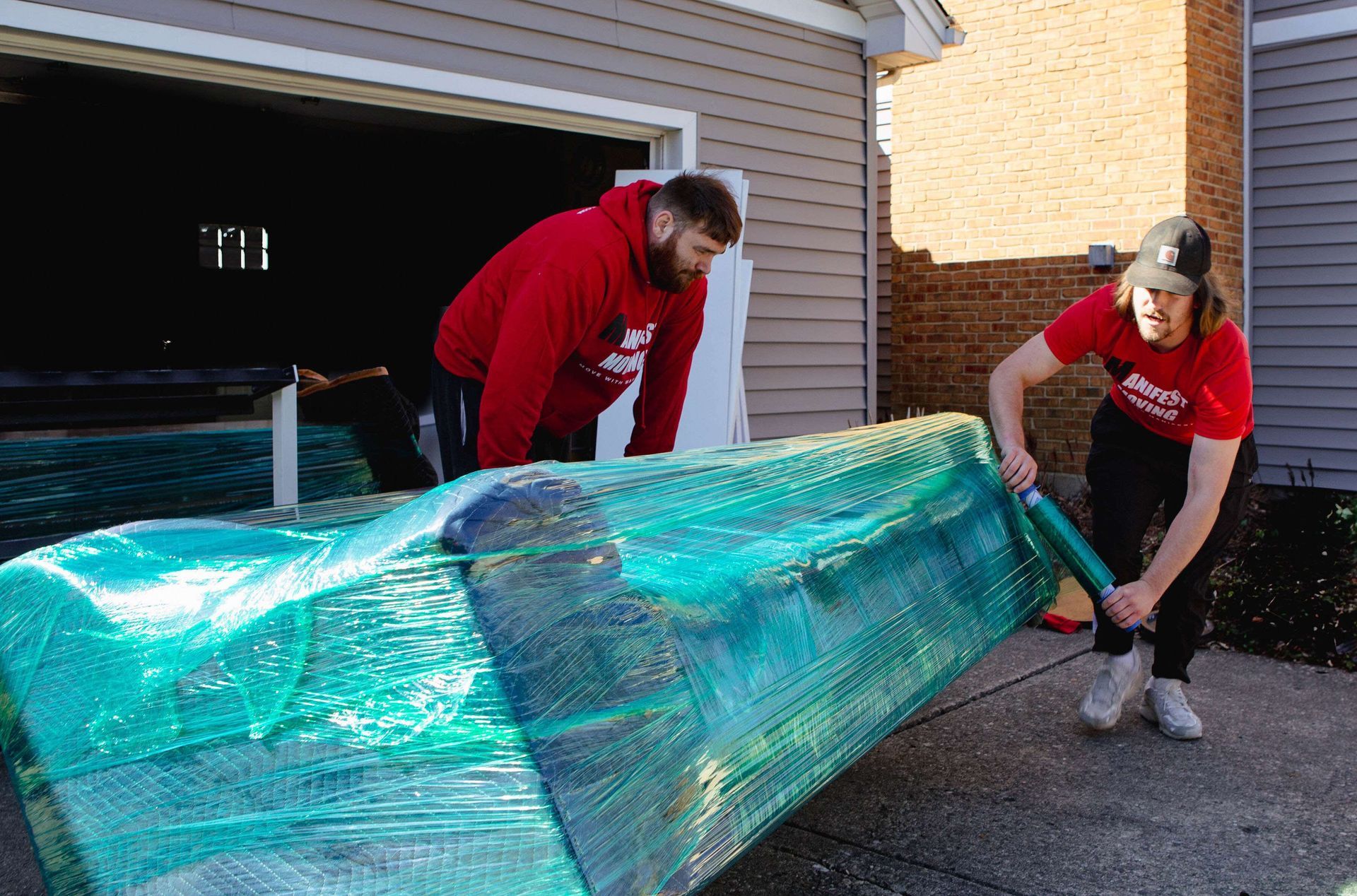
Packing is the quiet backbone of a specialized move. A Tri-State job that includes a bridge crossing and elevator ride needs cartons that can stack cleanly, travel without settling, and unload without collapsing onto dolly wheels. Double-walled dish packs for kitchens, heavy-duty book boxes filled to 80 or 90 percent to avoid crushing, and wardrobe boxes packed with the hanging bar oriented to the truck’s movement all reduce risk. Wood furniture gets paper padding first, then a padded quilt, then a breathable outer layer if conditions call for it. Stretch film goes on last and light to avoid trapping moisture against finished surfaces.
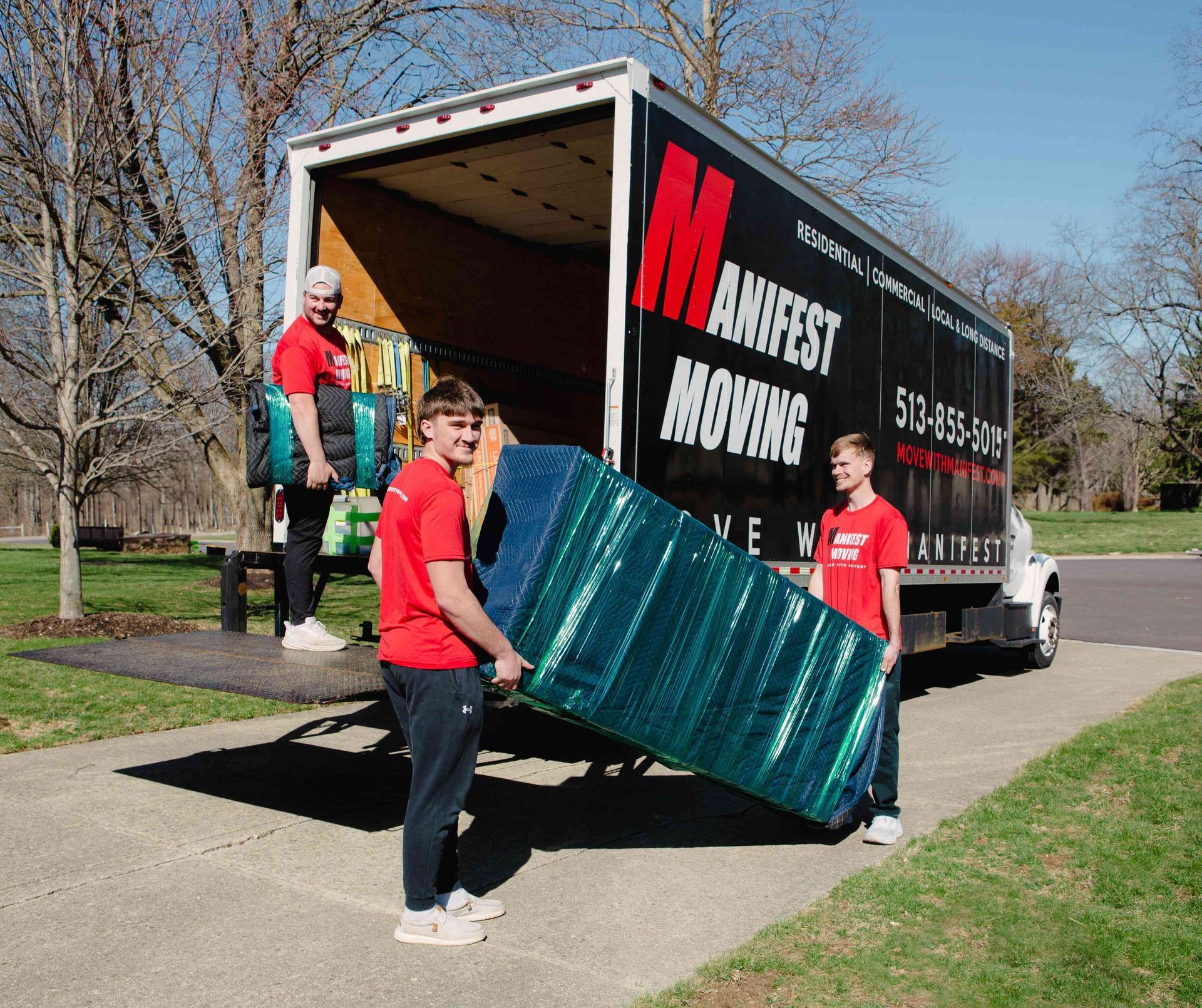
Teams that work this region often stage crates and cartons based on delivery order. Basement and garage items load first, with everyday essentials and bedding positioned for fast access on arrival. That way, if an elevator slot shortens or a thunderstorm pushes the day, you still deliver comfort and routine that evening.
Manifest Moving’s approach to multi-story homes and floor protection
Stairs introduce friction, literally and figuratively. The Tri-State presents a mix of modern tread standards and pre-code dimensions that require careful footwork. The safest method preserves the integrity of the property and the pace of the move. That means stair runners with a tackless grip that will not leave adhesive residue, corner guards at the top and bottom turns, and a spotter who treats each flight as a project, not a hallway.
We have seen the cost of skipping these steps. A single missed turn on a narrow landing can scuff a wall corner hard enough to require patch and paint. Better to add five minutes of setup and prevent the problem outright.
When a quick turnaround relocation needs finesse
Tri-State families sometimes face compressed timetables. A Friday closing in Middletown followed by a Monday start in Northern Kentucky is common. Specialty service adjusts sequencing. You might split a move, staging non-essentials in a secure truck overnight or in short-term storage, then deliver essentials during the first access window at the new home. The trick is keeping control of sensitivity. Items that do not handle temperature swings stay inside the climate-controlled section. Anything prone to warping or finish damage rides inside the insulated zone of the truck or moves during the more stable hours of the day.
Manifest Moving’s specialized handling for fragile collections
Collectors’ items travel better with case-by-case plans. Vintage record collections want snug cartons with lateral bracing to prevent edge-crush. Comic long boxes prefer a tight stack with an even footprint. Model displays or framed memorabilia benefit from custom-fit foam corners and slip sheets between frames. In this region, local universities and hospitals sometimes require moves of small lab setups or sensitive equipment. Proper labeling and sequence matter as much as padding. You do not want a temperature-sensitive unit to sit on a liftgate while the crew repositions a sofa inside a downtown elevator queue.
The Manifest Moving process for stress-free Tri-State relocations
Specialized service relies on predictable steps. Before a Tri-State move begins, a thorough walk-through confirms stairs, door sizes, elevator reservations, HOA time windows, and parking. A second pass measures large-point items: appliances, sectionals with chaise, bedroom sets, pianos. The team selects padding and wrapping based on forecasted weather. If rain is likely, breathable layers and extra runners join the kit. If heat and humidity run high, cargo airflow and sweat management become priorities to keep grips secure and reduce fatigue.
During the move, crews prioritize safety and sequence. A runner protects floors before the first lift. Door pads go up. Then loading follows the plan set during the walk-through. Communication stays tight. The crew lead handles on-the-fly changes, like shifting the load order if a neighbor’s car blocks the best angle of approach.
On delivery, the first items off the truck restore function: beds, primary seating, a few kitchen essentials, and a shower curtain rod if needed. This approach keeps evenings intact even when the day throws a curve.
How Manifest Moving protects your belongings during every move
Padding is not one-size-fits-all. Solid wood takes paper wrap first to avoid quilt weave patterns pressing into finish. Soft upholstery gets a full bag or quilt that covers down to the foot rails to keep hand oils and street dust off fabric. Glass shelves ride in custom cartons with corner bumpers. Mirrors do best in hard boxes cushioned on all four sides. Electronics travel upright and often later in the load sequence to minimize temperature exposure.
On humid summer days in the Ohio Valley, crews handle wood with extra care. Even stable finishes can pick up imprint if wrapped too tight for too long in high heat. A breathable layer allows vapor to dissipate. For tight elevator jobs, staged unwraps keep items covered until they clear the building, then final positioning happens with clean hands and fresh pads inside the home.
Case vignette: West Chester to Bellevue with a bridge detour
A family moving from a two-story in West Chester to a hillside home in Bellevue booked their elevator slot for the move-out of a storage unit near Norwood, expecting a smooth transfer. A mid-morning crash on the Brent Spence Bridge forced traffic onto I‑471. The plan shifted. The lead kept the crew at the origination site an extra 20 minutes to complete a full disassembly of the large sectional and pre-wrap of the dining table leaves. That saved time later when the downtown dock queue tightened. They routed through Columbia Parkway, used the reserved slot without a minute wasted, and still unloaded before the late-afternoon congestion. Preparation turned a potential delay into a non-event.
Manifest Moving’s coordination for Cincinnati and Dayton moves
Tri-State projects often include moves that begin in the northern suburbs and end downtown or across the river. Cincinnati and Dayton corridors share the I‑75 artery, yet the friction points differ. Dayton’s construction schedule and interchange updates shift seasonally. Cincinnati’s traffic compresses uniquely on sports days and during summer festivals. A crew that works both corridors knows when to avoid the midday cut-throughs and when to use them, when Liberty Way will stall, and when an alternate like Reed Hartman saves twenty minutes.
When Manifest Moving schedules a Cincinnati to Dayton day, it often sets a two-window approach. The first window manages loading and transit. The second covers elevator and dock access so the receiving building is not left guessing. That reduces stress for building staff and simplifies COI compliance.
Moving during Ohio sports seasons
Game days change more than parking. They adjust how long freight elevators remain available, and how many people you will meet in lobbies and hallways. In downtown Cincinnati, big home games narrow the effective unloading window by an hour. Smart crews load heavier pieces earlier and hold a quick-setup kit near the truck doors so a small miscommunication does not ripple into a big delay. You can bring a sofa and two beds upstairs faster than you can argue with a parking attendant, so the kit comes out first.
Working smoothly with HOAs and building managers
HOA compliance reads bureaucratic, but at the curb it is about building trust. Announcing the arrival time, placing cones respectfully, and leaving the sidewalk cleaner than you found it tends to buy goodwill if a timeline slips. Sending a copy of insurance ahead of time removes one of the biggest friction points. Building managers want to know the elevator will be padded, the door will not be propped unsafely, and the floor will be protected. Show them the equipment, and the conversation shifts from concern to cooperation.
The difference proper floor protection makes
The Ohio Valley’s mix of hardwoods, laminates, and poured concrete floors with surface treatments means a one-size runner can cause trouble. On finished concrete, a soft runner can creep under dolly pivot. On high-gloss hardwoods, dusty pads can act like sandpaper. Crews carry clean, purpose-built runners, corner guards, and shoulder pads. They change runners when conditions change. The cost is a few extra steps to swap gear. The benefit is a clean handoff of a home that looks the same after the move as it did before.
How Manifest Moving handles timing for new construction homes
New builds in places like Monroe, Mason, and Liberty Township often hit completion windows that move by days, not weeks. Subcontractors still finish punch lists while homeowners try to schedule moving day. That dynamic requires flexible planning. Crews confirm that driveways are cured, that the garage is accessible, and that permanent power is live so interior lights work during placement. They bring extra floor protection because builder dust clings to everything. If the timeline slips, a staged delivery of essentials prevents the family from living out of suitcases while final touchups happen.
When moves include offices or modular systems
The Tri-State economy includes a blend of small offices, labs, and modular-heavy setups. Taking down and rebuilding modular furniture is a specialty. Labeling panels, bagging cam locks, numbering connectors, and marking the uprights by bay avoids a half-day of guessing on the back end. For labs or tech spaces, ESD-safe practices and anti-static packaging protect components that dislike Ohio’s winter dryness. An extra dolly or cart often costs less than the back strain of repeating long carries across a sprawling office park.
Why detailed move planning saves time
A move plan that lives only in a customer’s head breeds day-of surprises. Written plans that describe access, sequence, and priorities make more difference than people expect. It is the difference between a crew learning the home while carrying heavy items and a crew that already knows where the tightest turn lives. The plan notes the elevator size and stop time, the door that sticks, the banister that wiggles, the neighbor’s car that often sits near the curb. This attention rarely adds minutes at the start and saves hours by the end.
The Manifest Moving standard for professional service
In the Tri-State context, professionalism shows up in places most people will never see. It is the clean edge of a tape run on a dish pack, triple-checked COI details faxed to a downtown property office, a driver who knows which lane to set up for a tricky right turn in Newport, and a lead who budgets extra time for a family with toddlers to keep routines intact. Quality hides in the preparation and reveals itself when nothing goes wrong.
Manifest Moving puts this standard into practice with certified teams familiar with Cincinnati’s urban rules, Northern Kentucky’s hillside neighborhoods, and the suburban growth across Butler and Warren Counties. Their crews pad the first doorframe before moving a single box, confirm HOA windows before the truck leaves the yard, and stage essentials in a way that makes a home livable on night one.
Understanding moving coverage and risk in three states
Coverage terms confuse even careful planners, and crossing state lines can amplify questions. Released value protection, full value protection, and third-party insurance each carry trade-offs. Released value protection minimizes cost but caps recovery by weight, not item value. Full value protection offers repair or replacement up to a declared value, which better suits heirlooms or bespoke furniture. Some buildings require specific proof of coverage limits in COIs before granting elevator access. The smart move is clarifying coverage in writing well before moving day and aligning it with the items that matter most to your family.
Bridging Ohio and Indiana with calm logistics
Moves from Hamilton or Oxford to Indiana towns like Brookville or Batesville follow smaller roads with characteristic quirks. Agricultural equipment sometimes shares the lane, and weekend events constrict town squares. Planning around local calendars avoids last-minute detours. For example, a Saturday morning move that enters a county fair zone at noon turns an easy driveway approach into an obstacle course. Crews who know to check town websites and sheriff notices stay ahead of these moments.
Tri-State checklist: five items that matter more than people expect
- Confirm elevator reservations and COIs for both buildings, including contact names and phone numbers. Measure the largest piece and the tightest turn, then decide disassembly plans in advance. Build a weather-ready kit: towels, extra runners, breathable wraps, and a staging mat. Set a two-tier unpacking plan so essentials come off the truck first regardless of delays. Ask HOAs or city offices about parking rules, cones, or permits three business days before the move.
The value of seven-day operational readiness
Life does not shape itself around weekday hours. Real estate closings happen on Fridays and Mondays, leases end mid-month, and families prefer weekend transitions so kids do not miss class. Tri-State crews that run seven days maintain cadence across these realities. They rotate teams to keep energy and focus high. They plan Sunday routes with church traffic in mind and schedule early starts for summer to beat afternoon heat.
Manifest Moving’s professional services available at 2401 Carmody Blvd
A central operations hub matters. From their 2401 Carmody Blvd location, Manifest Moving organizes packing materials, dispatches trucks, and offers pre-move consultations that clarify access and coverage. Visiting in person helps some clients make decisions about crate sizes, specialized wraps, or storage options for staggered closings. The team uses the location as a staging ground for corridor runs to Cincinnati and Dayton, keeping spare equipment within reach if a job needs a mid-day drop of extra pads, boxes, or a ramp.
Why Ohio families choose Manifest Moving for seamless transitions
Tri-State families judge moving companies on outcomes, not slogans. They notice when a crew arrives on time, when floor protection goes down without a reminder, and when someone catches the small misfit between a sofa arm and a stair post before it becomes a scrape. Manifest Moving wins trust by treating those details as the work, not the afterthought. Their teams carry the right blend of muscle, tools, and judgment to navigate bridges, HOAs, elevators, hills, and the sudden Ohio Valley thunderstorm that pops during lunch.
Handling humid summers and sudden storms without drama
Summer humidity changes grip strength, body energy, and the way materials behave. The best crews pre-hydrate, rotate tasks to keep concentration high, and schedule micro-breaks that preserve performance. They also avoid over-wrapping items that need to breathe, choose anti-slip gloves that maintain tack when damp, and swap out floor runners that begin to collect moisture. When storms build, they tighten the staging loop so distance between home and truck shortens, and they keep doorways protected to reduce tracking.
The Interstate 75 perspective: predictable unpredictability
I‑75 is the heartbeat of many Tri-State moves, and its rhythm shifts with construction schedules and routine incidents. The practical response is not to fear the corridor but to prepare for its personality. Crews plan alternate exits near the split, keep one eye on ODOT updates, and adjust transit timing around known pinch points. The difference between a 45-minute transfer and a 90-minute one is often a ten-minute decision at the start.
Manifest Moving’s promise in practice: reliable, careful, and calm
Saying you will be careful is easy. Demonstrating it at the curb takes repetition and habits. Manifest Moving trains for predictable execution. Door pads come out first. Corners get protection before the first lift. Large items are measured, not guessed. Ramps are secured on both sides, not just the hinge. Walkboards are tested under load before anyone commits a weighty piece to them. The team documents small pre-existing blemishes so there is no confusion later, and they take the time to show the new homeowner how to operate anything that was reassembled.
Storage that acts like a pressure valve
Short-term storage helps when closings do not align or when renovations run long. In the Tri-State context, climate-controlled storage preserves wood finish and instrument integrity through seasonal shifts. Staging some items in storage can also reduce elevator time in dense buildings by allowing a one-day unload without rushing decisions about placement. The storage plan should label everything for rapid retrieval, not bury boxes in a generic stack. Future you will be grateful that kid’s school supplies were marked and placed near the front.
Safety records and the culture behind them
Outstanding safety records do not happen by chance. They emerge from a culture that values pace control, lifting technique, and honest stop points. Crews that refuse to muscle a piece through a doorway without the right angle save both backs and banisters. Leaders who call for a third person on stairs when fatigue sets in prevent slips. Trucks with maintained brakes and tires, straps without wear, and pads without torn seams signal respect for the craft and the client.
Final guidance for a Tri-State move that feels easy
A few practices make disproportionate difference. Pack heavier items in smaller boxes and resist overfilling. Label rooms with the same names you use in conversation so the crew does not hunt for “north bedroom” when you call it “the twins’ room.” Photograph assembly points for modular furniture so reassembly follows the same logic. Confirm elevator and parking details 48 hours out. Keep a small kit of essentials - medications, chargers, a clean towel, and bedding - set aside for your own vehicle. These habits trim stress no matter which side of the river you call home.
Specialized service in the Tri-State is not a marketing phrase. It is the practice of matching local knowledge with disciplined technique. Streets, bridges, weather, and buildings will keep throwing their curveballs. The right preparation turns those curves into footnotes instead of headlines. When a crew treats doorframes like heirlooms, and heirlooms like memories on legs, you feel it from the first padded corner to the last tightened bolt. And when the last box comes off the truck and the house starts to sound like your family again, that is the moment when a complex map becomes a simple home.
Manifest Moving 2401 Carmody Blvd, Middletown, OH 45042 (513) 434-3453 https://www.movewithmanifest.com/ Manifest Moving has changed the standard for professional moving with positive, upbeat moving crews, clean and modern moving trucks, and a solution-oriented mindset to make even the most complicated moves a breeze. As a dedicated Ohio moving company, we are committed to providing top-quality moving services that ensure a smooth, hassle-free relocation experience backed by professionalism, efficiency, and customer satisfaction.